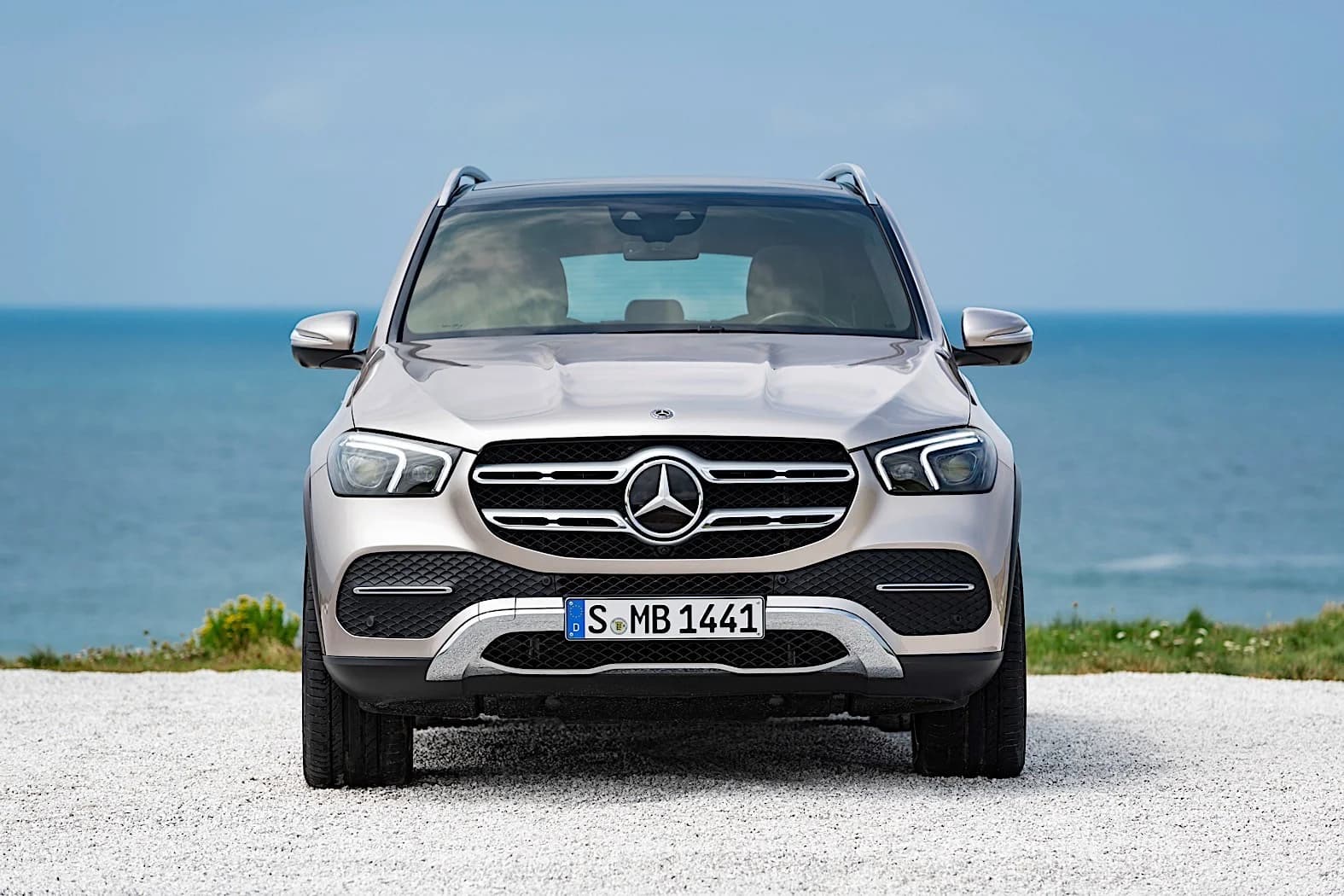
Vehicle Symptoms
A common complaint on Mercedes-Benz GLE models equipped with the 48V Mild Hybrid system is:
- Vehicle does not crank
- Engine will not start
- Dashboard powers up normally
- Multiple warning messages appear
- "48V Battery Malfunction" message
- "Visit Workshop" warning
- Start button pressed but nothing happens
Many owners immediately suspect the main battery, starter motor, or engine ECU. However, the actual cause is often related to the vehicle's advanced 48V Mild Hybrid system.
Understanding Mercedes Mild Hybrid Technology
Unlike conventional vehicles, the Mercedes GLE Mild Hybrid platform does not rely solely on a traditional starter motor.
The system uses an Integrated Starter Generator (ISG), which performs several functions:
- Engine starting
- Battery charging
- Energy recovery
- Start-stop operation
- Hybrid assistance
This means that a fault within the 48V electrical system can completely prevent the engine from starting.
Common Causes of Mercedes GLE Mild Hybrid No Start Condition
1. 48V Lithium Battery Failure
The 48V battery is one of the most common causes of no-start conditions.
Possible symptoms include:
- Vehicle powers up normally
- No crank request
- Hybrid system warnings
- Fault codes stored in powertrain modules
2. Integrated Starter Generator (ISG) Fault
The ISG replaces the traditional starter motor on many Mild Hybrid Mercedes vehicles.
If communication, power supply, or internal operation of the ISG is compromised, the vehicle may completely refuse to start.
3. DC-DC Converter Issues
The DC-DC converter connects the 48V system to the conventional 12V electrical system.
A fault here may cause:
- Battery charging issues
- Low voltage faults
- Control module communication errors
- Start authorization failure
4. Software and Control Module Problems
Mercedes continuously updates software for hybrid control modules.
Corrupted software, failed updates, or module synchronization issues can create no-start conditions even when hardware components are functioning correctly.
5. Water Intrusion and Wiring Problems
In some cases, moisture intrusion or damaged wiring harnesses can affect:
- Battery management systems
- Hybrid control units
- ISG communication networks
- Power distribution modules
Why Fault Codes Alone Are Not Enough
Many workshops rely only on fault code scanning.
This can lead to expensive misdiagnosis because hybrid systems require:
- Live data analysis
- Voltage monitoring
- CAN network diagnostics
- Power management evaluation
- Start authorization verification
A fault code may indicate a symptom, not the root cause.
Professional Diagnostic Process
A proper diagnosis includes:
✓ 12V battery evaluation
✓ 48V battery state assessment
✓ ISG communication testing
✓ Power distribution analysis
✓ Hybrid control module diagnostics
✓ Network communication verification
✓ Software level inspection
Only after confirming the root cause should any component replacement be considered.
The Cost of Guessing
Replacing expensive components without proper diagnostics can lead to:
- Unnecessary repairs
- Thousands spent on incorrect parts
- Recurring no-start issues
- Additional vehicle downtime
Accurate diagnostics always cost less than replacing parts based on assumptions.
Final Thoughts
Mercedes GLE Mild Hybrid vehicles are significantly more complex than conventional vehicles.
When a GLE 2019+ experiences a no-start condition, the issue may involve the 48V battery system, Integrated Starter Generator, control modules, wiring, software, or power management systems.
The key to an effective repair is identifying the root cause through advanced diagnostics rather than replacing parts blindly.
If your Mercedes GLE displays hybrid system warnings or refuses to start, professional diagnosis is the fastest and most cost-effective path to a reliable repair.