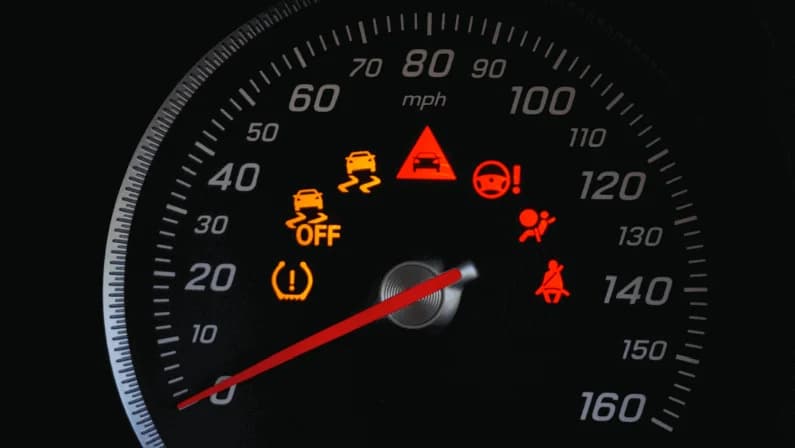
Modern vehicles are packed with smart electronic systems designed to keep drivers safe and informed. One of the most important communication tools inside your car is the dashboard warning light system.
When a dashboard indicator light suddenly appears, many drivers panic — especially if they don’t know what the symbol means or whether it’s dangerous to continue driving.
This guide explains the most common vehicle dashboard warning lights, what causes them, and what actions you should take immediately.
Why Dashboard Warning Lights Matter
Dashboard warning lights are your vehicle’s way of alerting you to potential mechanical, electrical, safety, or engine problems.
Ignoring warning lights can lead to:
- Expensive engine damage
- Brake failure
- Poor fuel economy
- Transmission problems
- Vehicle breakdowns
- Safety risks while driving
Some warning lights are minor reminders, while others require immediate attention.
Understanding Dashboard Light Colors
Before focusing on individual warning lights, it’s important to understand what the colors mean.
Red Warning Lights
Red lights usually indicate serious or critical problems.
Stop driving as soon as it is safe and inspect the vehicle.
Examples:
- Oil pressure warning
- Engine overheating
- Brake system warning
- Battery charging failure
Yellow or Orange Warning Lights
Yellow lights usually indicate maintenance issues or system faults that should be checked soon.
Examples:
- Check engine light
- ABS warning light
- Traction control warning
- Tire pressure warning
Green or Blue Lights
These are informational indicators showing that a system is operating normally.
Examples:
- High beam indicator
- Cruise control active
- Turn signals
Most Common Dashboard Warning Lights Explained
Check Engine Light
The check engine light is one of the most common dashboard warning symbols.
Possible causes include:
- Faulty oxygen sensor
- Engine misfire
- Loose fuel cap
- Bad spark plugs
- Catalytic converter issues
- Air intake or fuel system problems
What To Do
- If the light is steady, drive carefully and schedule diagnostics soon.
- If the light is flashing, stop driving immediately. A flashing engine light often indicates severe misfires that can damage the catalytic converter.
Oil Pressure Warning Light
This warning looks like an oil can.
It indicates low engine oil pressure, which can quickly destroy an engine if ignored.
Possible causes:
- Low engine oil level
- Faulty oil pump
- Oil leaks
- Worn engine components
What To Do
Stop the engine immediately and check the oil level.
Never continue driving with an active oil pressure warning.
Battery Warning Light
Many drivers assume this means the battery itself is bad, but often the real issue is the charging system.
Possible causes:
- Faulty alternator
- Weak battery
- Loose battery terminals
- Broken drive belt
- Charging system failure
What To Do
Reduce electrical usage and inspect the charging system as soon as possible.
If ignored, the vehicle may eventually stall and fail to restart.
ABS Warning Light
The ABS (Anti-lock Braking System) warning indicates a fault in the braking assistance system.
Possible causes:
- Faulty wheel speed sensor
- Damaged ABS module
- Wiring issues
- Brake fluid problems
What To Do
Your normal brakes may still work, but emergency anti-lock braking functionality could be disabled.
Drive carefully and inspect the system soon.
Tire Pressure Warning Light (TPMS)
This light indicates one or more tires have incorrect pressure.
Driving with low tire pressure can cause:
- Poor fuel economy
- Tire wear
- Reduced handling
- Tire blowouts
What To Do
Check tire pressures immediately and inflate to manufacturer specifications.
Engine Temperature Warning Light
This warning indicates the engine is overheating.
Possible causes:
- Coolant leaks
- Faulty radiator fan
- Bad thermostat
- Water pump failure
- Low coolant level
What To Do
Pull over safely and shut the engine off.
Driving an overheating vehicle can severely damage the engine.
Traction Control Warning Light
This light appears when the traction control system activates or experiences faults.
Common causes:
- Slippery road conditions
- Faulty wheel sensors
- Steering angle sensor issues
- ABS-related problems
What To Do
If the light flashes occasionally, the system is actively helping traction.
If the light stays on continuously, inspection is recommended.
Airbag Warning Light
The airbag or SRS warning light indicates a safety system problem.
Possible causes:
- Seat sensor faults
- Airbag module issues
- Clock spring failure
- Wiring problems
What To Do
Have the system diagnosed immediately. Airbags may not deploy properly during an accident.
Brake Warning Light
This light may indicate:
- Low brake fluid
- Worn brake pads
- Parking brake engaged
- Brake hydraulic system failure
What To Do
Do not ignore brake warnings.
Brake system faults directly affect vehicle safety.
Why You Should Never Ignore Dashboard Warning Lights
Many small vehicle problems become expensive repairs because drivers ignore early warning signs.
For example:
- Ignoring low oil pressure can destroy an engine
- Ignoring overheating can damage cylinder heads
- Ignoring charging issues can leave you stranded
- Ignoring brake warnings can become dangerous
Early diagnosis saves money and prevents breakdowns.
When You Should Stop Driving Immediately
Stop driving immediately if you see:
- Flashing check engine light
- Oil pressure warning
- Engine overheating warning
- Brake failure warning
- Severe battery charging issues
Continuing to drive can cause catastrophic damage.
Professional Vehicle Diagnostics Matter
Modern vehicles require advanced diagnostic tools to accurately identify warning light causes.
A professional vehicle scan can:
- Read fault codes
- Analyze live sensor data
- Detect hidden faults
- Prevent unnecessary parts replacement
Professional diagnostics save both time and money.
Final Thoughts
Dashboard warning lights are not designed to scare drivers — they are designed to protect the vehicle and its occupants.
Understanding basic dashboard indicators helps drivers:
- Prevent costly repairs
- Improve vehicle reliability
- Drive more safely
- Detect problems early
If a warning light appears and you are unsure what it means, it is always safer to inspect the vehicle sooner rather than later.
A quick diagnosis today can prevent a major repair tomorrow.